
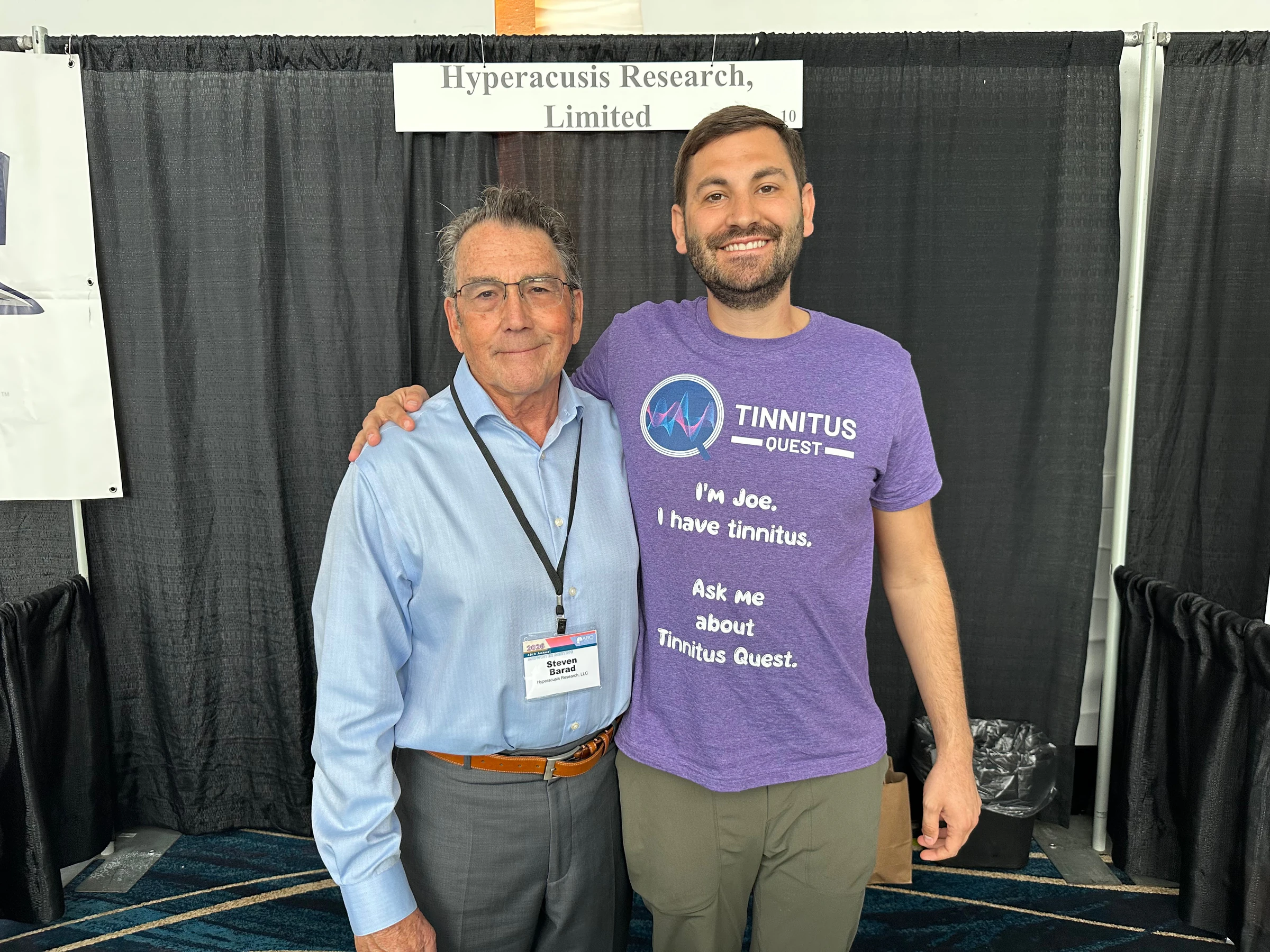
We are proud to announce that we completed our 2026 research grant cycle, selecting two promising projects developing new approaches for treating hyperacusis. The funding for these grants is provided by our friends at Hyperacusis Research Ltd., while Tinnitus Quest has managed the grant selection process and will administer the funding.
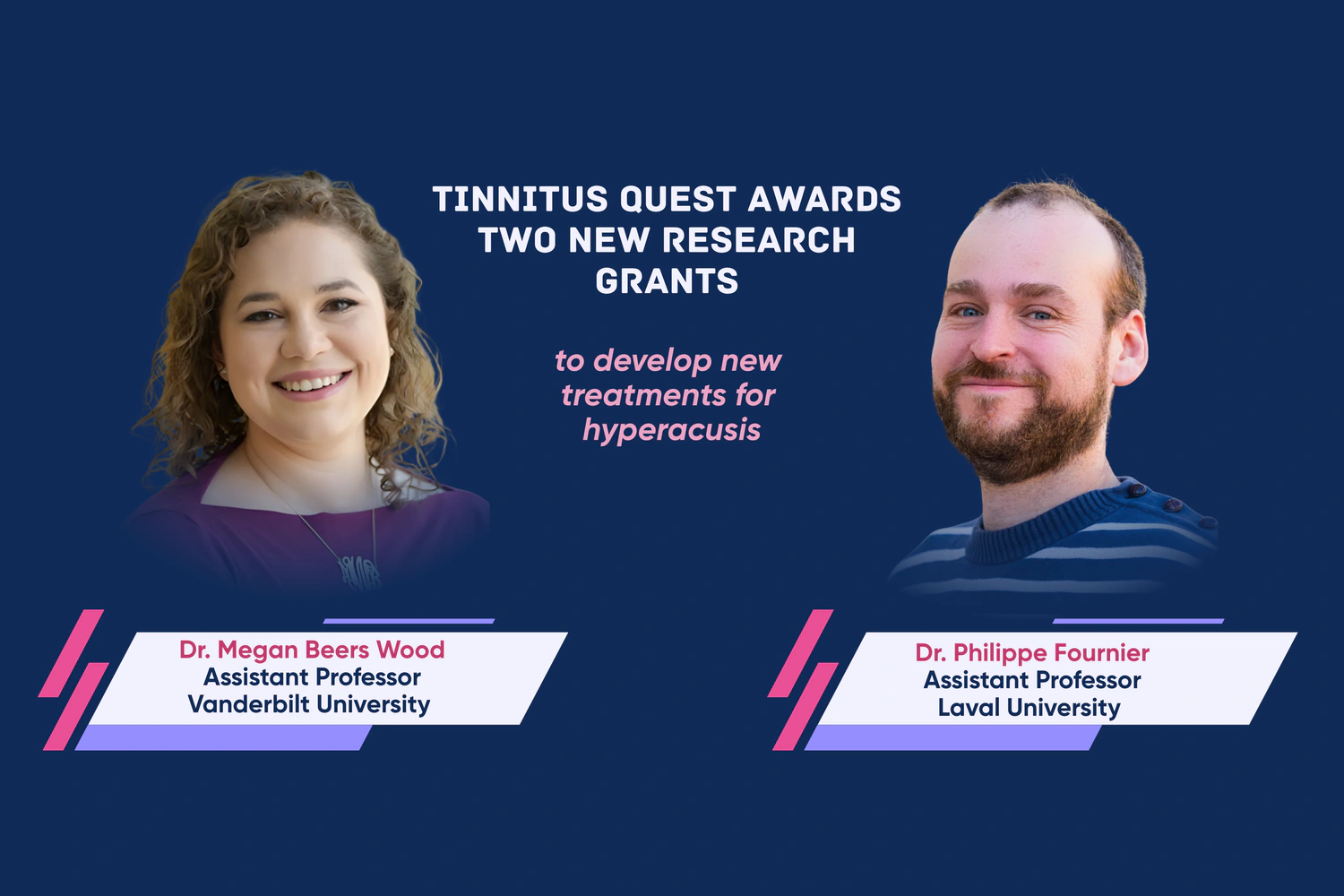
The two projects, led by Dr. Megan Beers Wood at Vanderbilt University Medical Center and Dr. Philippe Fournier at Université Laval, will each receive $50,000 in funding. The projects take a very different but complementary approach. One investigates a potential biological mechanism behind pain hyperacusis, with the possibility of repurposing a drug currently in advanced clinical development. The other explores whether an existing treatment, already used for other conditions, could provide relief to people suffering from pain hyperacusis.
“Hyperacusis Research is excited about these two new projects. This research is being funded directly by people suffering from hyperacusis and their loved ones. We hope these new studies will give hope to all those affected by this debilitating and severely underfunded condition. We look forward to continuing to work with Tinnitus Quest and the grant recipients as the research advances.”
Steve Barad, board member, Hyperacusis Research Ltd.
While two hyperacusis projects were selected for funding, we decided not to award any new tinnitus research grants this year. Read on to learn more about the two grants awarded, how we reached our decisions, and what comes next for Tinnitus Quest's research program.
Why Were No New Tinnitus Grants Awarded This Year?
We recognize that many of our supporters will be disappointed that no new tinnitus research projects were selected for funding in this cycle. Tinnitus Quest was founded with a clear mission: to accelerate progress toward treatments that can silence tinnitus. That mission remains unchanged.
The decision not to fund any of this year's tinnitus proposals was not taken lightly. Several of the proposals explored interesting and innovative ideas. However, following our scientific review and direct discussions with the researchers, we concluded that none offered a sufficiently compelling combination of scientific rationale, scientific rigor, feasibility, and potential impact to justify funding at this stage.
We believe we have a responsibility to our donors and the tinnitus community to invest their contributions where they have the greatest potential to meaningfully benefit the lives of tinnitus patients. This sometimes means making difficult decisions. Importantly, the decision not to award new tinnitus grants this year does not mean that the available funds will be redirected elsewhere; funds raised for tinnitus research remain dedicated to that purpose and will be available to support future research opportunities that meet our criteria.
We remain committed to finding and supporting ambitious, innovative research with the potential to bring us closer to silencing tinnitus. We are working hard on a new strategic plan to revamp the way we disseminate research funding, for instance by tying the outcomes of our annual Tinnitus Hackathon research meetings to future grant funding (more about this below).
Two New Research Projects Targeting Pain Hyperacusis
Hyperacusis is a condition in which someone experiences normal, everyday sounds as excessively loud, uncomfortable, or even painful. For people with severe pain hyperacusis, this can cause frequent and significant – sometimes prolonged – pain, making everyday life extremely difficult.
Despite its potentially devastating impact, the condition remains poorly understood, and effective treatments are limited. The two projects selected this year aim to explore new treatment possibilities from two very different angles.
Finding new treatments for hyperacusis and for tinnitus are not two separate endeavors. The overlap between the conditions is significant. The occurrence of hyperacusis in people with severe tinnitus is as high as 80% (Cederroth 2020), which gives a strong indication that the underlying mechanism(s) might be to some extent shared.
1. Dr. Megan Beers Wood: Could Blocking an Inflammatory Pathway Prevent Pain Hyperacusis?
Vanderbilt University Medical Center, USA — $50,000
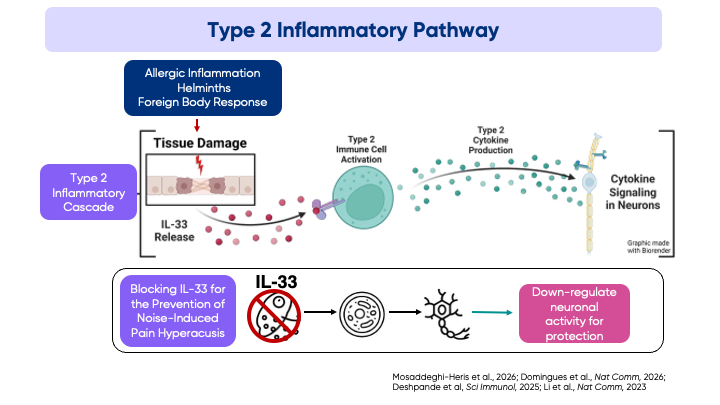
Dr. Megan Beers Wood's project investigates whether a molecule called Interleukin-33 (IL-33) could contribute to the development of pain hyperacusis following noise exposure by triggering an immune response in the inner ear. Wood and her team have identified preliminary evidence that this inflammatory pathway may be involved in changes to auditory nerve activity following noise exposure, and they hypothesize that these changes could contribute to the development of hyperacusis. The central question is whether blocking this pathway could prevent pain hyperacusis from developing and/or resolve existing hyperacusis complaints.
Testing a promising mechanism in animals
The researchers will conduct an experimental study in mice to investigate whether blocking the IL-33 pathway can prevent or reduce hyperacusis-like symptoms following noise exposure. They will assess both auditory function and behavioral indicators of sound-related pain. The results will give a good indication whether this pathway is a viable target for treatment in humans.
Importantly, the study will also explore the timing of intervention: whether treatment needs to be administered before noise exposure or could still be effective afterward.
The potential for faster treatment development
One particularly interesting aspect of this project is its potential for so-called drug repurposing. A biologic drug developed by AstraZeneca called tozorakimab targets IL-33 and has successfully completed Phase III human clinical trials for chronic obstructive pulmonary disease (COPD) (Sciurba et al. 2026). Although it is not yet FDA-approved, its advanced stage of clinical development offers opportunities for a faster and cheaper path to market compared to developing a new drug from scratch.
In other words, the drug could be “repurposed” for hyperacusis (or other indications). If Wood's research produces encouraging results, this could substantially shorten the path toward human clinical studies, although substantial further research would still be required to establish safety and effectiveness for this new indication.
This project will, therefore, not deliver a treatment immediately, but rather establish whether the biological mechanism being studied is sufficiently promising to justify further development.
2. Dr. Philippe Fournier: Exploring Existing Treatments for Pain Hyperacusis
Université Laval, Canada — $50,000
While Wood's project investigates a potential new biological treatment target, Dr. Philippe Fournier's research takes a more direct clinical approach. His team will explore whether an existing treatment, already used for other medical conditions, could help people suffering from pain hyperacusis.
The project is based on the hypothesis that pain hyperacusis may arise from several distinct biological mechanisms involving the auditory system, middle-ear muscles, trigeminal pathways, and related head and neck structures.
The intervention that will be evaluated is Botulinum toxin (Botox), which is commonly used to treat a variety of neurological, muscular, and pain-related conditions, Botox may be relevant to pain hyperacusis through mechanisms involving abnormal middle-ear muscle activity and/or dysfunction of associated head and neck structures.
The study will combine detailed symptom monitoring with objective physiological measurements of middle-ear function previously developed by Fournier and colleagues. These measures may help identify biological markers associated with treatment response.
Could different patients benefit from different treatments?
One of the major challenges in treating pain hyperacusis is that it may not represent a single disorder. Similar symptoms could arise from different underlying biological mechanisms. The project aims to identify treatment-responsive subtypes of pain hyperacusis and determine whether objective physiological measures can help predict which patients are more likely to benefit from specific interventions.
Building the foundation for future treatments
This is an exploratory clinical study designed to generate preliminary evidence and guide future therapeutic development. The project will use clinical assessments, real-world symptom monitoring, and physiological measurements. Findings from this study will help shape future clinical trials and contribute to the development of personalized treatment strategies for people living with pain hyperacusis.
Two Different Approaches, One Shared Goal
Together, these projects illustrate two complementary ways of accelerating treatment development. Wood's study attempts to uncover a previously unknown mechanism of pain hyperacusis, while Fournier's study investigates whether existing clinical interventions could offer relief. Both approaches involve repurposing treatments (being) developed for other conditions, potentially reducing the time and cost involved in bringing new therapies to patients. Ultimately, the aim is the development of effective treatments for pain hyperacusis.
How We Selected the Projects
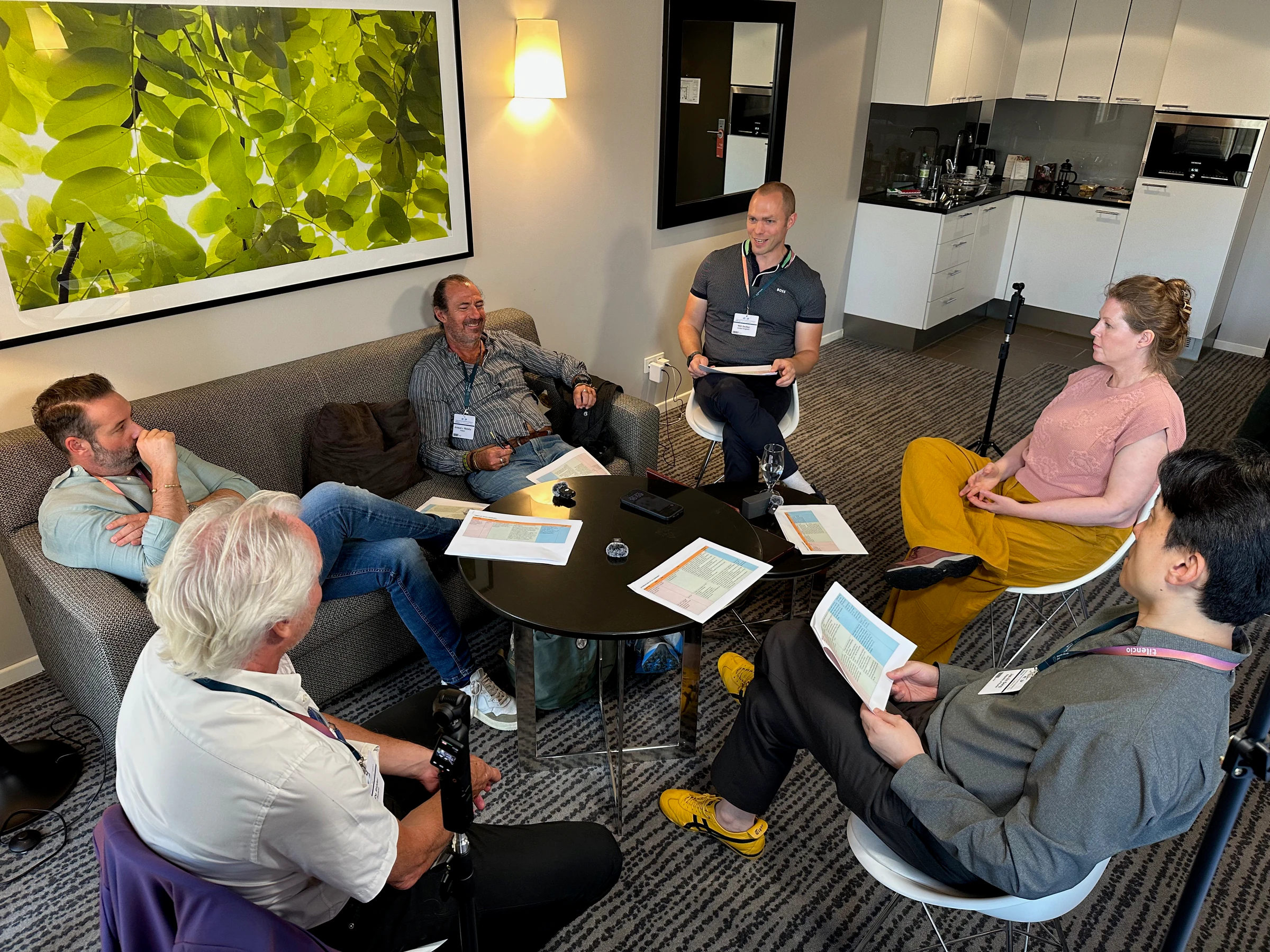
Our 2026 grant cycle attracted 22 research proposals, with 15 focused on tinnitus and seven on hyperacusis. Rather than requiring researchers to submit lengthy written applications, Tinnitus Quest uses a more interactive approach to grant selection: After submitting a Letter of Intent (LOI) briefly outlining their research idea, we invite shortlisted researchers to pitch their ideas directly to our review panel and engage in an in-depth discussion about their proposed research.
Eight research teams – four pertaining to tinnitus and four to hyperacusis – were invited to pitch to our panel, consisting of science-savvy patients and top tinnitus researchers. We explored the scientific rationale, experimental design, feasibility, risks, and potential impact of each proposal. These pitch meetings also provide an opportunity to collaborate on potential improvements to research plans in real time. We believe this approach makes the selection process more efficient and constructive for both researchers and funders.
Throughout the process, our primary considerations are scientific merit, innovation, feasibility, and fast route to market, with the ultimate aim of silencing tinnitus and/or eliminating hyperacusis.
Following these discussions and further deliberations, two hyperacusis projects were selected for funding through our partnership with Hyperacusis Research Limited.
Our Research Efforts Continue Beyond the Grant Cycle
Although no new tinnitus grants were awarded this year, our work to advance tinnitus research continues on several fronts.
Supporting Experimental Research at Oxford
Our first major tinnitus research grant supports a $230,000 project at the University of Oxford investigating transcranial ultrasound stimulation to deep brain regions for the reduction of tinnitus loudness. This experimental technology has already been successfully applied in other fields like Parkinson’s and pain. Its advantage is that it can stimulate the brain very precisely and reach deep regions without invasive surgery.
Professor Cleveland, who will lead the study, has explained that it is very difficult to get funding for these kinds of experimental studies, because traditional research funders prefer to fund studies into treatments that already have plentiful supporting evidence. For Tinnitus Quest, however, this type of study falls right within the realm of our “high risk, high gain” approach; we believe that achieving meaningful improvement in tinnitus treatments requires taking risks.
The study will be kicking off any moment, as soon as the ethics approval comes through, from which point onwards we will be publishing quarterly updates on progress.
Bringing Researchers Together to Generate New Ideas
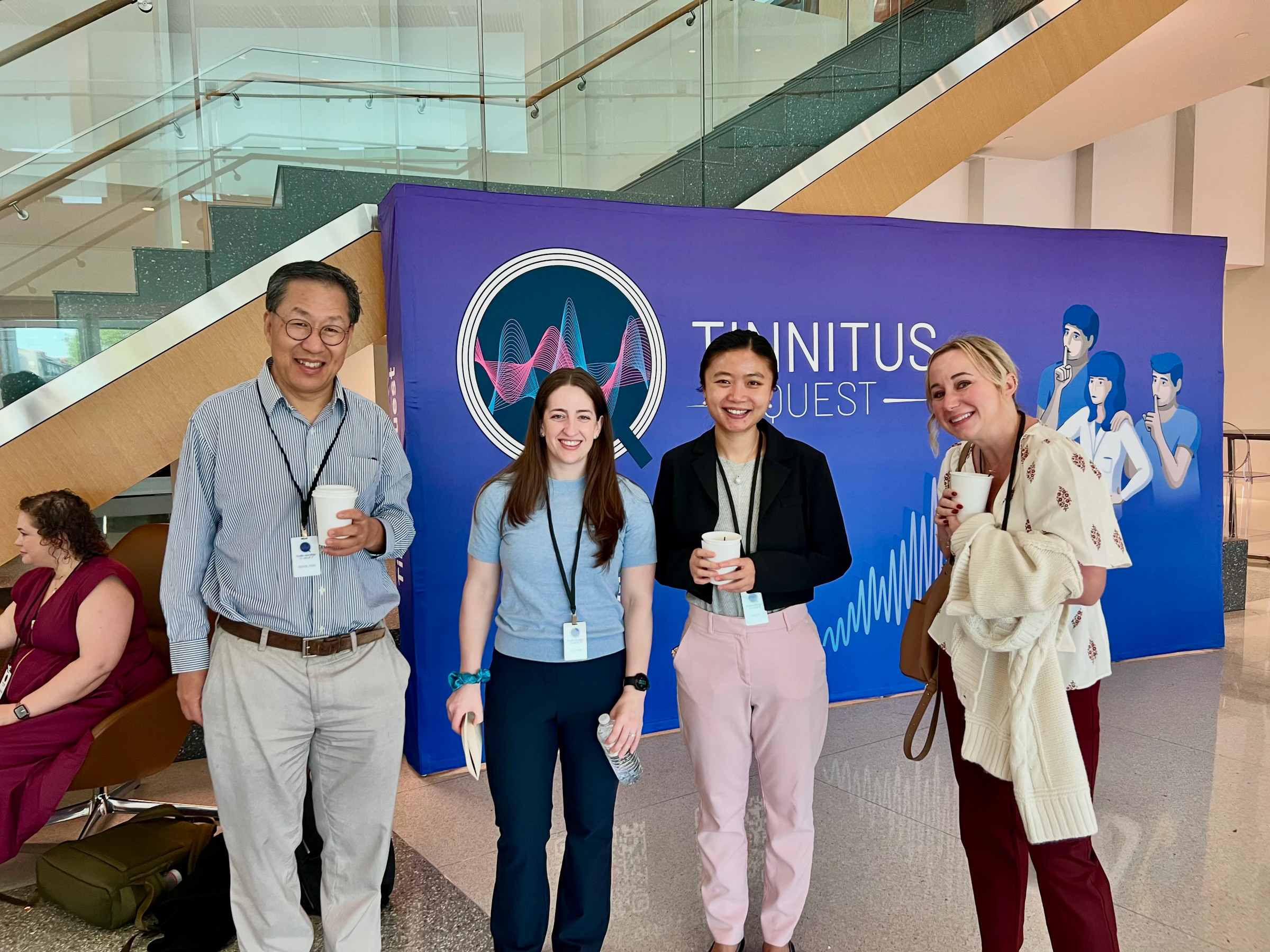
Another central part of our mission is bringing researchers together to explore new approaches to understanding and treating tinnitus. In October 2026, Tinnitus Quest organized its second Tinnitus Hackathon in Dallas, bringing together researchers from different disciplines to examine fundamental questions about tinnitus mechanisms and sub-typing.
The event was highly interactive, and encouraged researchers to challenge each other, but also collaboratively develop new research directions. We believe that these exchanges can play an important role in generating new ideas and collaborations. Tinnitus Quest is the only player in the tinnitus field organizing these kinds of interactive get-togethers.
What's Next? A New Strategy for Research Funding
Tinnitus Quest is currently developing a new strategic plan for the coming years, including a revamp of how we allocate our research funding. While it is too early to announce the details, one direction we are actively exploring is a closer connection between our annual Tinnitus Hackathon events and our grant program. Our hackathons bring together researchers to identify important unanswered questions, challenge existing theories, and explore promising new research directions. The insights emerging from these discussions can play a more direct role in shaping future funding priorities.
Rather than relying exclusively on proposals submitted through an open grant cycle, we see opportunities to take a more proactive approach: identifying critical research questions together with the scientific community and then directing funding toward projects designed to address them. This could help us build a stronger pipeline of innovative, well-founded research proposals with the potential to move the field forward.
We look forward to sharing more about these plans as our strategy takes shape.
Our Commitment Remains Unchanged
The urgent need for effective tinnitus treatments is why our co-founders, who all suffer from tinnitus, created Tinnitus Quest. This urgency continues to guide everything we do.
We are grateful to the researchers who submitted proposals this year, to the scientific experts who contributed their time and expertise to the selection process, and to Hyperacusis Research Limited for its partnership, friendship, and financial support of the Tinnitus Hackathon.
Most importantly, we thank our donors and supporters for making this work possible.
Research progress is rarely straightforward, but our commitment remains the same: to advance research that brings us closer to silencing tinnitus.