

Tinnitus Quest is proud to announce the winner of our first round of research grants. We hope it will bring the tinnitus community one step closer to silence.
Back in July 2025, only one year after Tinnitus Quest was formed, we declared our intention to award three research grants – two smaller research projects at a maximum of $100,000 each, and one larger research project at a maximum of $200,000.
Following a rigorous review of 29 submitted proposals by our Innovation Board, Patient Advisory Board and Scientific Advisory Board – and subsequent ‘pitch’ meetings with 6 selected applicants – the Executive Board ultimately decided to award one research grant of $200,000. Below we will tell you all about this winning project but first let us tell you how we came to this decision.
Why did we award only one grant?
Our decision to limit grant awards in this first round reflects our commitment to fund only work that meaningfully advances the field toward silencing tinnitus. We are only interested in spending money that can potentially achieve this goal. We want to set a high bar for the tinnitus research field through our grantmaking decisions and remain true to the voices of millions of patients seeking relief from incessant noise.
While we were encouraged by the level of interest and engagement from the research community, many proposals did not meet our criteria. For example, some were not sufficiently innovative, representing approaches that have already been explored. In other instances, the applicants were unable to sufficiently support their proposed intervention with a clear underlying model or theory of tinnitus. Yet other approaches seemed to tackle the response to tinnitus, rather than the tinnitus signal itself – thus not aligning with our vision of silencing tinnitus.
As a patient-driven organization, we believe it is more responsible to fund fewer, stronger projects than to disperse resources across studies that are unlikely to deliver real progress. The awarded project stood out for its scientific rigor, clear rationale, and potential to move the field forward.
We must stress however that – in line with our mission – the winning project is high-risk-high-gain. Meaning that it could turn out to be a very promising new treatment, but it could also fail. This is the nature of true exploratory science.
We will report to you as the project progresses, ensure that meaningful lessons are learnt regardless of outcomes, and we will be funding more projects sooner rather than later to hedge our bets.
What will be paid and what will happen to funding not awarded?
Our Research Fund currently contains $460,000 (USD), and we will be awarding one $200,000 grant + 15% indirect costs (administrative support, IT systems, compliance, research infrastructure, and more), thus totaling $230,000. The unspent half will remain reserved for future research grants. At the same time, we will keep growing our Research Fund to give out additional grants.

What's next?
In order to not lose momentum, our next grant cycle will open earlier in the year, with a Request for Proposals (RFP) announcement by spring of 2026, and a submission deadline early summer. Promising applicants from the previous round will be provided feedback and encouraged to re-apply. And we will endeavor to reach more researchers from other fields to submit their ideas.
Furthermore, our RFP documentation will be enhanced to make our expectations clearer.
Two fundamental changes to our grant program will be:
- The possibility to apply for smaller grants in the range of $10-50k. Some treatments are relatively cheap to test out, depending on location, equipment costs, and other factors. For instance, an early-stage drug repurposing trial could be conducted relatively cheaply, and we would like to encourage such approaches, especially if they would also be less costly and quicker to bring to market.
- We will be providing one or more predefined research topics/questions for which we are soliciting proposals. Open proposals will still be welcome, but we believe a more directive approach (based on our bird’s eye view of the field) could yield better results.
The best is yet to come...
We are grateful to all researchers who submitted proposals and to everyone who contributed their time and expertise to the review process. We are also proud of having conducted a grant process that placed a relatively light burden on the researchers while being heavy on patient input. We invite all of you to be a part of our “quiet revolution” as we strive to do even better next time.
Tinnitus Quest remains committed to supporting bold, high-quality research and to refining our grant program as we continue to learn and grow. Our Research Fund is in need of donations big and small for future grant giving, so please donate if you can, or reach out to info@tinnitusquest.com for any fundraising ideas.
About the winning project

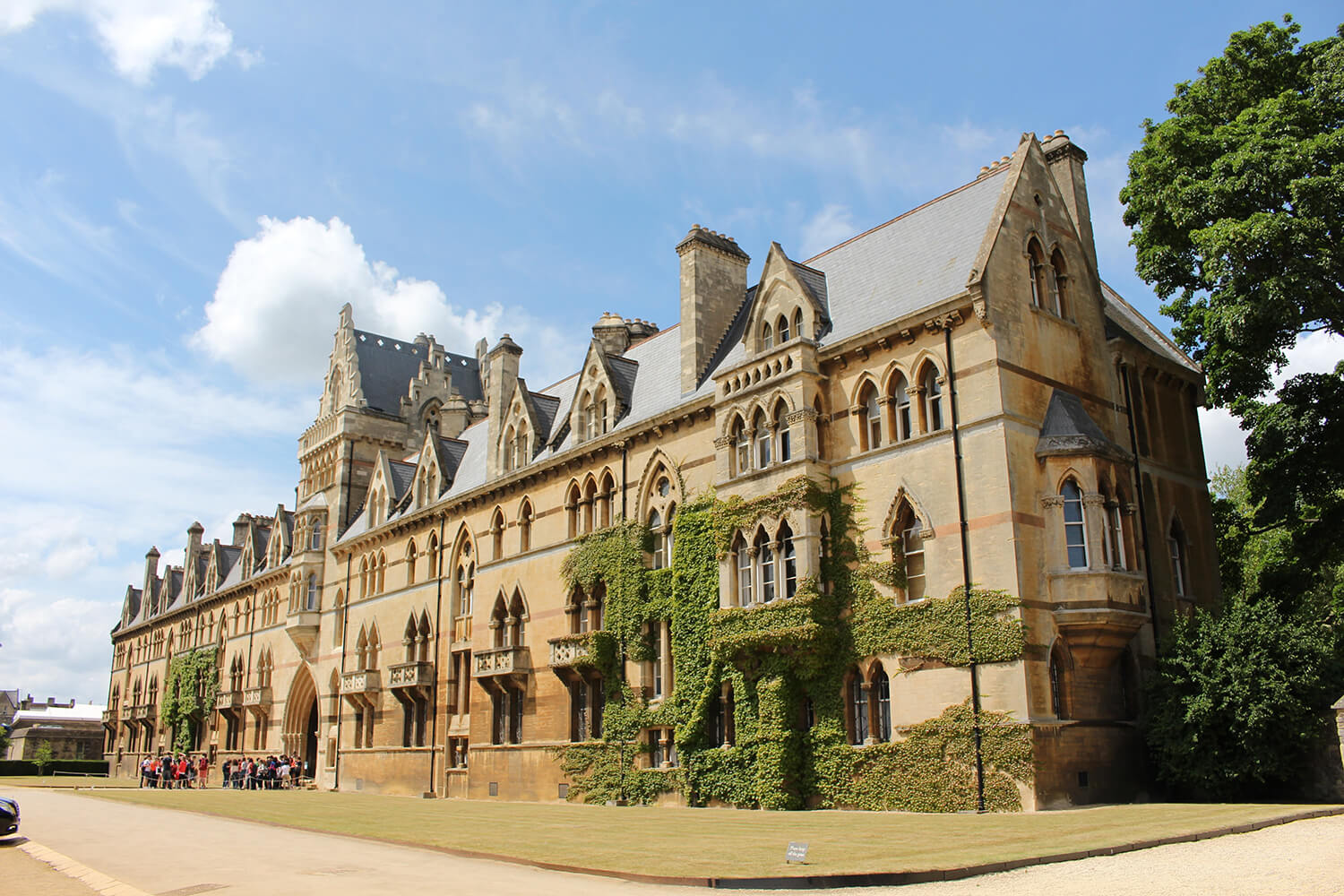
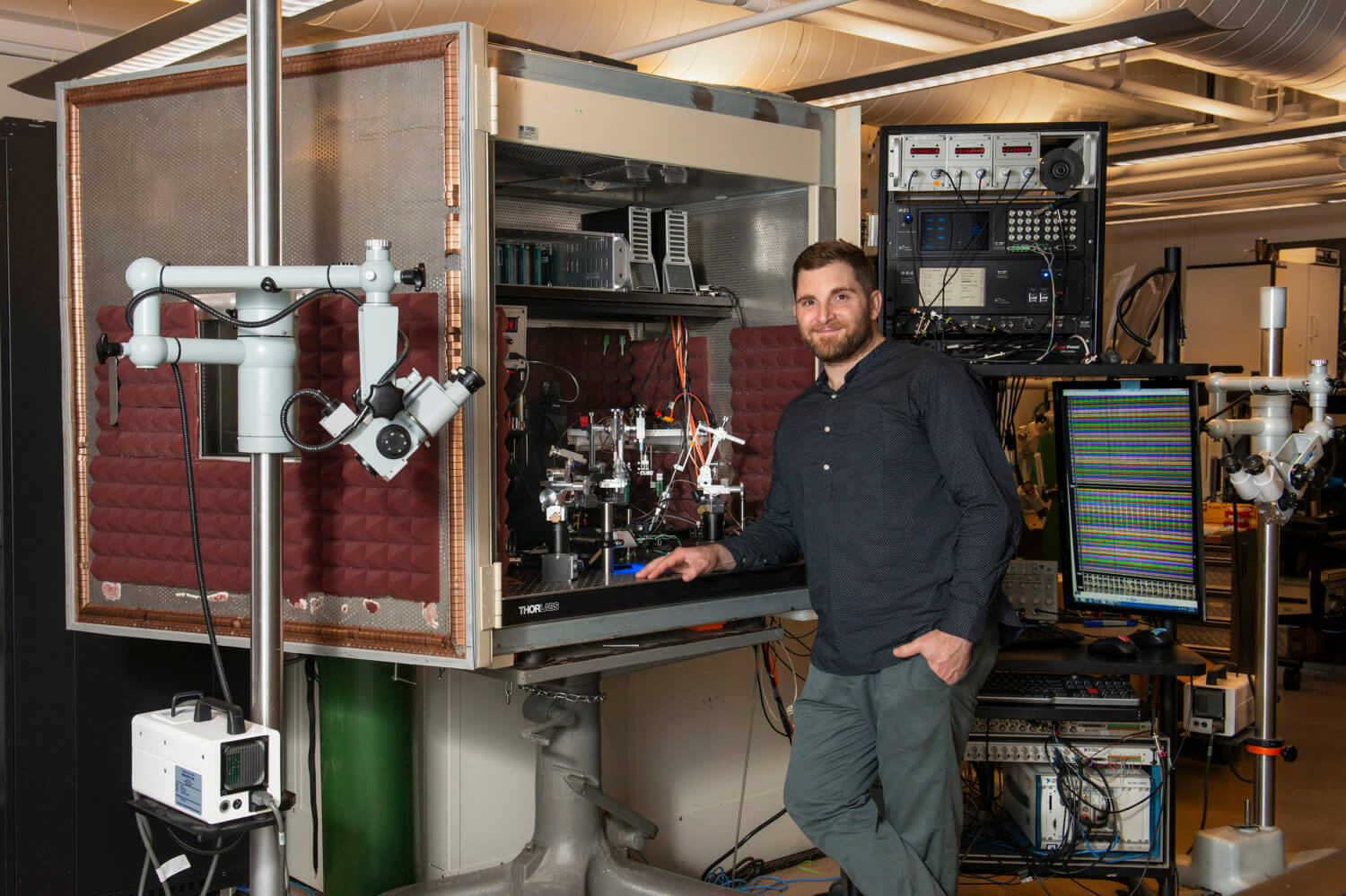
Tinnitus Quest is pleased to announce that we have awarded funding of $230,000 (USD) for a new research study led by investigators at the University of Oxford. The principal investigator, Robin Cleveland, is a Professor of Engineering Science and Director of the Institute of Biomedical Engineering.
This project will evaluate whether non-invasive transcranial ultrasound stimulation (TUS) can suppress tinnitus symptoms by targeting deep brain structures thought to be involved in generating tinnitus.
What is this study trying to achieve?
The goal is to test whether transcranial ultrasound stimulation (TUS) directed at specific deep brain structures can reduce tinnitus loudness, and to find the optimal deep brain targets and TUS parameters for the reduction of tinnitus loudness.
The study focuses on three targets:
- Nucleus accumbens
- Caudate nucleus
- Medial geniculate body
These areas were selected for two key reasons:
- Previous deep brain stimulation (DBS) studies targeting these same structures have shown promising reductions in tinnitus symptoms, suggesting that modulating these circuits can influence tinnitus perception.
- TUS may be able to reach these areas non-invasively, offering the chance to reproduce DBS-like benefits without surgery.
The researchers aim to determine which target(s), and which ultrasound pulsing patterns, produce measurable reductions in tinnitus loudness and beneficial changes in brain activity — both immediately after treatment and over a sustained period.

How will these aims be achieved?
The study has two phases:
Phase 1 – Fifteen participants will receive TUS targeted at the three brain regions mentioned above, along with a control site, to determine which sites show the strongest effect on tinnitus loudness and brain activity.
Phase 2 – This will be a randomized controlled double-blind crossover trial, in which twenty additional participants will receive repeated weekly TUS sessions to the most promising target(s) and stimulation settings identified in Phase 1. Bilateral TUS will be delivered to each target once per week for 6 weeks.
Researchers will track both immediate and longer-term effects, using tinnitus loudness ratings (VAS), standardized questionnaires (THI and TFI), and correlating changes in tinnitus symptoms to changes in neurophysiology (EEG) and structural changes of resting-state fMRI and diffusion weighted MR imaging.
How many patients will be tested and why is this important?
The original proposal, as it was submitted to us, outlined a sample size of 6 patients in phase 1 and 10 patients in phase 2. We felt strongly that: a) within the available budget, a larger sample size should be possible; and b) a larger sample size would enhance the statistical significance of results and avoid a situation where we might struggle to interpret outlier results. Therefore, we mandated an increase – in fact, a doubling – of the sample size. We feel confident that the increased sample size will allow for a more granular interpretation of results.
How is this approach different from what’s been tried before?
To date, TUS has not been studied for tinnitus, and there is currently no established clinical application for tinnitus relief using ultrasound. This research represents one of the first systematic attempts to directly target tinnitus-related deep brain regions using TUS.
Deep brain stimulation (DBS) has previously shown promising results for treating tinnitus, but it requires invasive neurosurgery, which limits its use to only a few patients.
Transcranial ultrasound stimulation (TUS), by contrast, uses focused sound waves to reach deep brain structures without surgery. This raises the possibility of achieving DBS-like modulation of abnormal neural circuits while avoiding surgical risks.

Why do scientists believe this could work for tinnitus?
Professor Cleveland carried out seminal work demonstrating that TUS can modulate the visual pathway in healthy volunteers, and Cleveland and others are currently conducting a research trial to demonstrate TUS efficacy in Parkinson’s patients. These studies help build confidence that non-invasive ultrasound can reach deep circuits with precision.
Evidence from DBS suggests that tinnitus symptoms could be reduced through direct stimulation of the deep brain regions being targeted; it is therefore reasonable to assume that similar effects can be achieved with a non-invasive, yet precise, method like TUS.
Who could this help if successful?
What can we still learn if the study doesn’t work as hoped?
Even if TUS does not achieve sustained tinnitus loudness reduction, the study will provide valuable insights by:
- testing whether specific deep brain targets truly drive tinnitus symptoms
- clarifying which ultrasound parameters influence tinnitus loudness
- revealing neurophysiological markers of change, even without clinical benefit
- helping guide future trials toward more promising pathways
These learnings would help refine future research priorities.
How long will this research take, and what happens after the study ends?
The study will kick off as soon as the grant agreement has been signed (expected in February 2026) and ethical approval has been secured – which typically takes a couple of months. Hence, the expected start date falls in the summer of 2026. The study will run for two years.
The intent is to generate high-quality pilot data enabling the researchers to seek larger-scale funding to advance TUS toward clinical use. If results are encouraging, future trials would involve larger patient groups and longer follow-ups.
Why did Tinnitus Quest decide to fund this project?
This project aligns directly with our mission to accelerate the search for effective treatments with the potential to silence tinnitus. We chose to fund it because:
- TUS has not been tested for tinnitus before
- The intervention targets some of the (supposed) deep brain structures involved in tinnitus
- It builds on prior scientific evidence and clinical expertise in TUS
- It offers the possibility of a precise, non-invasive treatment
- It could scale if successful, improving access for patients
- Even negative results will meaningfully advance understanding
Tinnitus Quest believes that bold, scientifically grounded exploration of new therapeutic pathways is necessary to achieve lasting solutions for people living with tinnitus. This study represents such an opportunity. Yet, more funding and more studies are needed to accelerate progress.




4 Comments
Hi,
Great webinar, thank you.
I missed the January 17 presentation “Tinnitus Quest Live: Q&A on Transcranial Ultrasound Stimulation Project”.
Where can I see a replay?
Hi Tom, all our Q&As are published on our Events page, under the tab “past events” and often also on our YouTube channel. However, it takes some time to get the raw recording ready for publication by cleaning up the audio, editing out any glitches, and adding subtitles (which are AI generated, but need to be verified and corrected by humans, as the AI versions are far from perfect). All of this takes about 10h of labor, which is not a lot, but our to-do lists are long, haha. So please stay tuned and we hope to publish the final version within a few weeks 🙂
It’s on YouTube now, Tom.
https://www.youtube.com/watch?v=GU_a2CYYUgQ
Nick